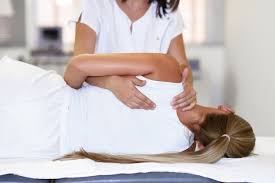
Pain management through physiotherapy involves a variety of techniques and approaches aimed at reducing or alleviating pain, improving function, and promoting overall well-being. Our Physiotherapists are trained to assess, diagnose, and treat musculoskeletal and neurological conditions that may be causing pain. Here are some common strategies and techniques used by Nidanta physiotherapy for pain management:
A thorough assessment of your condition is the first step. Our physiotherapist will evaluate your medical history, conduct a physical examination, and discuss your symptoms and pain levels to determine the underlying cause of your pain and will educate you about the condition, pain triggers, and the importance of compliance with treatment plans. We also provide guidance on lifestyle modifications, posture, and ergonomics to help prevent further pain.
Specific exercises are prescribed to improve strength, flexibility, and range of motion. These exercises can target affected muscles and joints to reduce pain and enhance overall function.
Hands-on techniques such as joint mobilization, soft tissue massage, myofascial release, and stretching can be used to reduce pain, improve joint mobility, and release muscle tension.
Our Physiotherapists can use various modalities, such as heat, cold, ultrasound, electrical stimulation, laser therapy, dry needling, cupping or therapeutic taping to manage pain, reduce inflammation, and promote healing.
Correcting posture and movement patterns that contribute to pain is a key component of physiotherapy. This may involve ergonomic assessments, gait analysis, and teaching proper body mechanics.
Our Physiotherapists will also teach patients pain management techniques like relaxation exercises, deep breathing, and mindfulness to help manage pain and reduce stress.
A customized home exercise program will be provided to the patient to reinforce in-clinic treatment and promote ongoing self-management of pain
In some cases, our physiotherapists may recommend the use of assistive devices like braces, crutches, or orthotics to alleviate pain and improve function.
we also suggest Water-based exercises that is effective for pain management, as the buoyancy of water reduces the load on joints and provides resistance for muscle strengthening.
Our Physiotherapists also educate patients on managing their condition independently and making long-term lifestyle changes to prevent recurrence of pain.
For chronic conditions or severe injuries, a progressive rehabilitation plan is developed to gradually increase activity levels and function as pain subsides and strength and flexibility improve.