









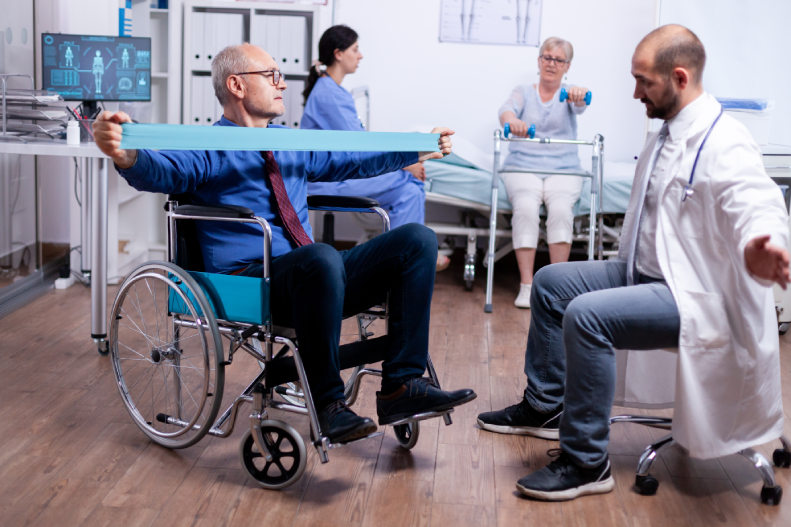
Paralysis is a medical condition characterized by the loss of muscle function and control in one or more parts of the body. It can be temporary or permanent and can affect various degrees of muscle control. Paralysis is typically caused by damage to the nervous system, which can result from a variety of factors
Paralysis can be localized, affecting only one specific part of the body (e.g., facial paralysis, known as Bell’s palsy) or generalized, affecting larger portions of the body (e.g., paraplegia, affecting the lower limbs, or quadriplegia, affecting all four limbs).
The team of Nidanta physiotherapy evaluates the patient’s physical condition, mobility, strength, range of motion, and functional abilities and develops an appropriate treatment plan for the patient. Here are some components of assessment for paralysis:
Assessing the presence and severity of pain related to the paralysis and addressing pain management strategies.
The specific assessment and treatment plan will vary depending on the type and level of paralysis, whether it’s due to a spinal cord injury, stroke, or other underlying causes. We provide a multidisciplinary approach involving physiotherapists, occupational therapists, and other healthcare professionals to provide comprehensive care for individuals with paralysis.
Treatment and rehabilitation for paralysis depend on its cause and severity. Physical therapy, assistive devices, and sometimes electrical stimulation can help individuals with paralysis regain some level of independence and improve their quality of life.
Nidanta physiotherapy plays an important role in helping individuals with paralysis by addressing physical limitations and improving their overall quality of life. Here are some ways in which nidanta physiotherapy can improve your overall condition
Our team works with individuals to develop skills and strategies to perform daily activities independently. This can include learning how to transfer in and out of bed, use the bathroom, and perform self-care tasks.
We teach individuals how to use assistive devices effectively. This may involve learning to operate a wheelchair, use a walker, or control a robotic exoskeleton.
In cases of paralysis that affect the respiratory muscles, our expert physiotherapists teach you techniques to maintain lung health, including deep breathing exercises and assistance with mechanical ventilation devices.
We provide education about the condition, prognosis, and strategies for managing the psychological and emotional challenges that can arise with paralysis. We offer support and encouragement to help individuals cope with their situation.
Nidanta physiotherapy Centre also provides home exercise programs that individuals can continue independently, promoting ongoing progress and maintenance of physical function.
WhatsApp us
