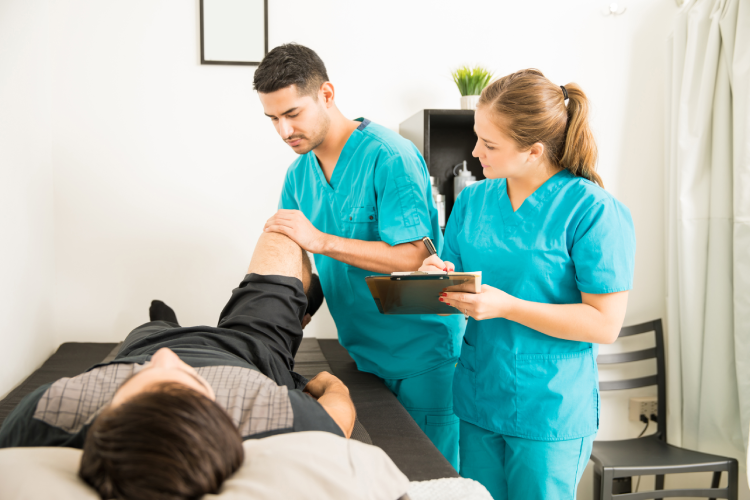
Post Surgical Physiotherapy

What we do

Post-surgical Physiotherapy

Post-surgical physiotherapy, also known as post-operative physical therapy, is a specialized form of physical therapy that is designed to help individuals recover and regain their functional abilities after undergoing surgery. It is an important component of the overall treatment plan for many surgical procedures, as it can aid in optimizing the patient's recovery, reducing pain, and restoring their mobility and functionality.

What are some common postoperative discomforts?

The amount of discomfort following surgery depends on many things, including the type of surgery performed. Typical discomforts may include:

Nausea and vomiting from general anesthesia
Sore throat (caused by the tube placed in the windpipe for breathing during surgery)
Soreness, pain, and swelling around the incision site
Restlessness and sleeplessness
Thirst
Constipation and gas (flatulence)

What complications may occur after surgery?

Sometimes, complications can occur after surgery;

Complications may include:

Shock. Shock is a severe drop in blood pressure that causes a dangerous reduction of blood flow throughout the body. Shock may be caused by blood loss, infection, brain injury, or metabolic problems. Treatment may include any or all of the following:

Stopping any blood loss
Helping with breathing (with mechanical ventilation if needed)
Reducing heat loss
Providing oxygen

Wound infection. When bacteria enter the site of surgery, an infection can result. Infections can delay healing. Wound infections can spread to nearby organs or tissue, or to distant areas through the blood stream. Treatment of wound infections may include:

Ultraviolet radiation, infrared radiation
Laser therapy
Some muscle relaxant techniques etc.
Providing oxygen

Deep vein thrombosis (DVT) and pulmonary embolism (PE). Together, these conditions are referred to as venous thromboembolism (VTE). This term is used because the conditions are very closely related. And, because their prevention and treatment is also closely related. A deep vein thrombosis is a blood clot in a large vein deep inside a leg, arm, or other parts of the body. Symptoms are pain, swelling, and redness in a leg, arm, or other area.

Lung (pulmonary) complications. Sometimes, pulmonary complications arise due to lack of deep breathing and coughing exercises within 48 hours of surgery. They may also result from pneumonia or from inhaling food, water, or blood, into the airways. Symptoms may include wheezing, chest pain, fever, and cough (among others).

Urinary retention. Temporary urine retention, or the inability to empty the bladder, may occur after surgery. Caused by the anesthetic, urinary retention is usually treated by the insertion of a catheter to drain the bladder until the patient regains bladder control.

Pelvic floor exercises:

The muscles in the pelvic area can be weakened by surgery, disease, obesity, injury, childbirth, aging, genetics, and other causes.

For surgery patients, the exercises can be done to strengthen muscles that were weakened by a disease process or a surgical incision. For people experiencing urinary or fecal incontinence, these exercises can help increase control over these bodily functions.

Women experiencing incontinence after a C-section typically experience significant improvement with pelvic floor exercises. Some surgeons recommend Kegel exercises for men to improve incontinence after abdominal surgery, stress incontinence, which is urine leakage that happens during stress such as a sneeze, laugh, or cough, may be dramatically improved.

Pelvic floor prolapse, a condition where your uterus, bladder, or bowel sag down into the vagina, may also be improved by pelvic floor exercises.
Some research suggests that these exercises can also improve vaginal tone during intercourse which may increase sensation, and other research recommends Kegels as a treatment for premature ejaculation and poor erection tone.
Contracting the pelvic floor muscles will strengthen the muscles over the course of a few weeks or months. Ideally, you will perform fifteen to twenty exercises at least three to four times per day. Luckily, for most people, the exercises can be done almost anywhere, as it will not be obvious to anyone but you.

Here are some key aspects of post-surgical physiotherapy provided by Nidanta Physiotherapy Centre:

Pain Management:
Post-surgical physiotherapy works to manage and alleviate pain that may result from the surgical procedure. We use various techniques such as manual therapy, modalities like ice or heat, and exercises to help reduce pain and inflammation.
Restoring Range of Motion
Surgery can often lead to stiffness and reduced range of motion in the affected area. We use targeted exercises and stretching techniques to gradually restore the patient's range of motion. After surgery, muscles around the surgical site may weaken due to disuse or trauma. Our treatment plan includes exercises to strengthen these muscles and improve overall strength and stability. Nidanta physiotherapy helps you to facilitate the healing process by providing guidance on wound care, scar management, and tissue mobilization techniques and help you to prevent complications such as blood clots, joint contractures, and pressure sores by promoting movement and circulation. Some surgeries, particularly those involving the joints or spine, can affect balance and coordination. We can help you with balancing skills.
Education and Home Exercise Programs:
Nidanta Physiotherapy will provide a specific exercise plan and self-care techniques to continue at home, which is essential for patients ongoing recovery and maintenance of progress.
Customized Treatment Plans:
Post-surgical physiotherapy is highly individualized. Our treatment plan is tailored to the patient's specific surgery, overall health, and goals for recovery. Common surgeries that may require post-surgical physiotherapy include joint replacements (e.g., knee, hip), spine surgeries, orthopedic surgeries (e.g., ligament repairs), cardiac surgeries, and many others. The ultimate goal of Nidanta physiotherapy is to help patients regain their independence, minimize pain, and achieve the highest level of functionality and quality of life possible after surgery.]


Get Pain Relief Without Surgery Today.

Emergency Contact