








Sports Physiotherapy

What we do

Sports Physiotherapy

Sports physiotherapy is a specialized branch of physiotherapy that focuses on the assessment, treatment, and rehabilitation of athletes and individuals engaged in sports and physical activities. The primary goal of Nidanta physiotherapy is to help athletes recover from injuries, prevent future injuries, and enhance their performance.

How Nidanta physiotherapy will help:

Injury Assessment and Diagnosis
Our physiotherapists are trained to assess and diagnose sports-related injuries, whether they are acute injuries resulting from accidents or chronic overuse injuries. We use a combination of physical examinations, imaging (such as X-rays or MRI scans), and patient history to determine the nature and extent of the injury. Once an injury is diagnosed, our physiotherapist develops individualised treatment and rehabilitation plans tailored to the athlete's specific needs. These plans may include manual therapy, exercise programs, stretching, and modalities like ice or heat therapy to promote healing and restore function. Also we design an exercise program to improve strength, flexibility, endurance, and agility, focusing on areas that are essential for the athlete's sport. We also provide guidance on proper technique and biomechanics to prevent future injuries. This includes assessing an athlete's risk factors for injuries, recommending appropriate warm-up and cool-down routines, and providing education on injury prevention strategies. Our physiotherapists also provide rehabilitation programs to the specific demands of the athlete's sport. This involves sport-specific drills and exercises to simulate the movements and stresses encountered during competition.
Return to Sport Assessment
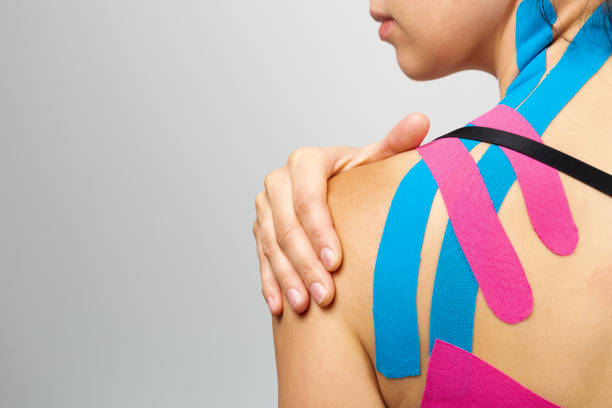
Before athletes return to their sport after an injury, our therapists conduct comprehensive assessments to ensure they are physically ready. This assessment includes evaluating strength, range of motion, stability, and functional performance. We also manage pain and discomfort related to sports injuries, using techniques such as manual therapy, taping, and modalities like electrical stimulation or ultrasound, laser therapy etc.
Education and Lifestyle Advice
Athletes receive education on injury prevention, nutrition, hydration, and proper recovery strategies. Our physiotherapists also provide guidance on ergonomics and equipment selection to optimize performance and minimize injury risk. We also use specialized equipment and techniques such as hydrotherapy pools, anti-gravity treadmills, and isokinetic machines to aid in rehabilitation and conditioning. In many cases, we work closely with other members of an athlete's healthcare team, including sports medicine physicians, orthopedic surgeons, coaches, and athletic trainers, to provide comprehensive care.

Assessment

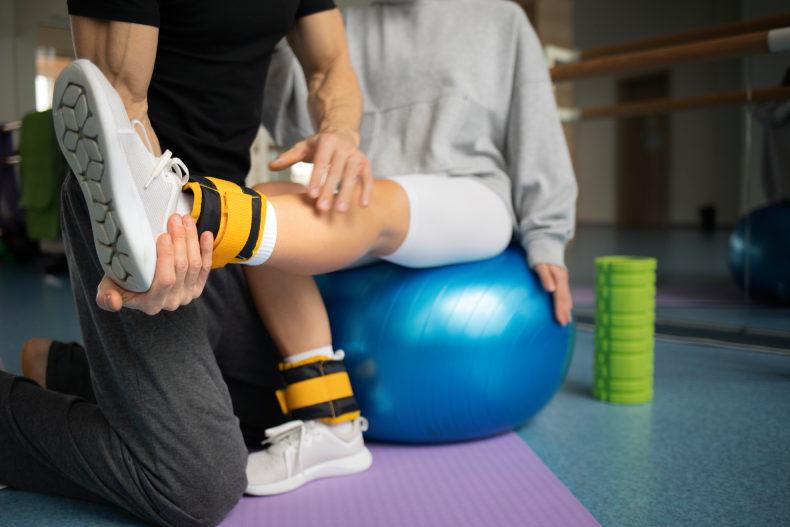
Patient assessment in sports physiotherapy is a systematic process that involves gathering information about an athlete's physical condition, medical history, and specific sports-related issues. This assessment is essential for developing an accurate diagnosis, treatment plan, and rehabilitation program tailored to the athlete's needs.
patient-doing-physical-rehabilitation-helped-by-therapists

Here are the key steps involved in patient assessment by Nidanta physiotherapy:

Medical History
We Begin assessment by taking a detailed medical history from the athlete. This includes information about previous injuries, surgeries, medical conditions, medications, allergies, and any family history of medical issues. Understanding the athlete's medical background helps identify potential risk factors and contraindications for certain treatments. Ask the athlete to describe their current symptoms, including the location, intensity, duration, and any activities or movements that exacerbate or alleviate the symptoms. This information is important for identifying the patient’s condition
Functional Assessment
Our Team evaluates the athlete's functional limitations. Assess their ability to perform sports-specific movements, as well as activities of daily living that may be affected by the injury or condition. This assessment helps determine the impact of the issue on the athlete's performance and quality of life. Also we conduct a thorough physical examination, which may include assessing joint range of motion, muscle strength, flexibility, stability, and neurological function. Specialized tests and assessments may be used to pinpoint the specific structures involved in the injury.
Biomechanical Assessment
Analyze the athlete's biomechanics and movement patterns related to their sport. This involves observing their gait, running technique, jumping mechanics, or sport-specific movements. Identifying faulty biomechanics can help prevent future injuries. Utilize functional movement assessments, such as the Functional Movement Screen (FMS) or the Y-Balance Test, to identify movement imbalances and asymmetries that may increase the risk of injury.
Imaging and Diagnostic Tests
If necessary, we order or review imaging studies like X-rays, MRI scans, or ultrasound to confirm or further assess the injury's extent. These tests can provide valuable information about structural damage.
Pain Assessment
Evaluate the athlete's pain using standardized pain scales and inquire about the nature of the pain (e.g., sharp, dull, and burning) to better understand its characteristics.
Psychosocial Assessment
Consider the athlete's psychological well-being, motivation, and readiness for rehabilitation. Addressing psychological factors, such as fear of re-injury or performance anxiety, is essential for a holistic approach to recovery.
Goals and Expectations
We discuss the athlete's goals and expectations for treatment and rehabilitation. Understanding what the athlete hopes to achieve can help tailor the treatment plan accordingly. We maintain open and clear communication with the athlete throughout the assessment process, explaining findings, diagnosis, and treatment options in a way that the athlete can understand. After completing the assessment, our sports physiotherapist uses the gathered information to formulate a diagnosis and create a customized treatment plan. This plan typically includes specific interventions, exercises, and strategies to address the athlete's unique needs and facilitate a safe return to sports or physical activity. Throughout the rehabilitation process, ongoing assessments are performed to monitor progress and make necessary adjustments to the treatment plan.
After completing the assessment, our sports physiotherapist uses the gathered information to formulate a diagnosis and create a customized treatment plan. This plan typically includes specific interventions, exercises, and strategies to address the athlete’s unique needs and facilitate a safe return to sports or physical activity. Throughout the rehabilitation process, ongoing assessments are performed to monitor progress and make necessary adjustments to the treatment plan.

Get Pain Relief Without Surgery Today.

Emergency Contact