








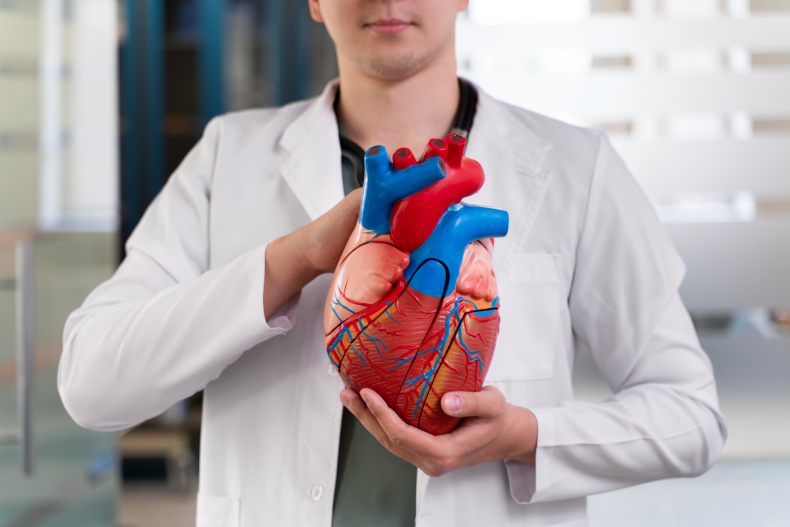
Cardiopulmonary Rehabilitation

male-student-practicing-medicine
What we do

Cardiopulmonary Rehabilitation

Cardiopulmonary rehabilitation is a specialized area of physiotherapy focused on improving the physical function and overall well-being of individuals with heart and lung conditions. It is a structured program that combines exercise training, education, and counseling to help patients manage their conditions, reduce symptoms, and enhance their quality of life. Here are key components and considerations in cardiopulmonary rehabilitation by Nidanta Physiotherapy:
The rehabilitation process begins with a thorough assessment of the patient’s medical history, current health status, and individual needs. This evaluation helps determine the appropriate level of care and tailors the rehabilitation program to the patient’s specific condition. The cardiopulmonary rehabilitation program is conducted under the supervision of our healthcare team, which includes our physiotherapists, physicians, nurses, and other specialists.
Exercise Training
Exercise is a core component of cardiopulmonary rehabilitation. Our team of Physiotherapists design personalized exercise program that is safe and effective for patients with heart and lung conditions. This program includes cardiovascular exercise (e.g., treadmill walking, stationary cycling), strength training, and flexibility exercises. Patients' vital signs, such as heart rate, blood pressure, and oxygen saturation, are monitored during exercise sessions to ensure safety and adjust the intensity of exercise as needed patient’s Progress is tracked to assess improvements in fitness and function. Patient receives education about his specific condition, risk factors, medications, and lifestyle modifications. Counseling includes discussions on smoking cessation, nutrition, stress management, and adherence to treatment plans. Cardiopulmonary rehabilitation programs is conducted under the supervision of a our healthcare team, which includes our physiotherapists, physicians, nurses, and other specialists.
Breathing Techniques
Breathing exercises can be beneficial for individuals with cardiopulmonary conditions, such as asthma, chronic obstructive pulmonary disease (COPD), and heart conditions. These exercises can help improve lung function, increase oxygen intake, and reduce symptoms like shortness of breath. Patients' vital signs, such as heart rate, blood pressure, and oxygen saturation, are monitored during exercise sessions to ensure safety and adjust the intensity of exercise as needed. Progress is tracked to assess improvements in fitness and function.

Here are some breathing exercises designed by Nidanta Physiotherapy for cardiopulmonary conditions: ing Text Here

Diaphragmatic Breathing (Deep Breathing)
Pursed-Lip Breathing
Box Breathing (Square Breathing)
Segmental Breathing
Inspiratory Muscle Training (IMT)
IMT involves using a device that provides resistance while you inhale. It strengthens the muscles used for breathing and can improve respiratory function.
Flutter Valve or Acapella Device
These devices help clear mucus from the airways and improve lung function in individuals with conditions like COPD.
Breathing Exercises with Visualization
Some people find it helpful to visualize their breath as they inhale and exhale. Imagine that you're inhaling clean, fresh air and exhaling any toxins or tension.

Patients are also provided with home exercise programs to continue their rehabilitation progress independently between sessions.
Cardiopulmonary rehabilitation may extend beyond the initial program. Our Long-term maintenance plans are developed to help patients sustain the gains achieved during rehabilitation, programs are designed to improve functional capacity, reduce symptoms, enhance quality of life, and decrease the risk of complications in individuals with heart and lung conditions. These programs are highly individualized, and treatment plans are adjusted as patient’s progress or experience changes in their health status.

Get Pain Relief Without Surgery Today.

Emergency Contact